







What to Look for When Choosing an L-Fucose Supplier
Release time: 2026-10-15
Table of Contents
Why Supplier Selection Matters for L-Fucose
Choosing an L-Fucose supplier involves more than comparing prices or checking a product specification sheet. For cosmetic ingredient manufacturers, biotechnology companies, and research institutions, the quality and consistency of raw materials can directly affect formulation development, experimental reproducibility, and production planning.
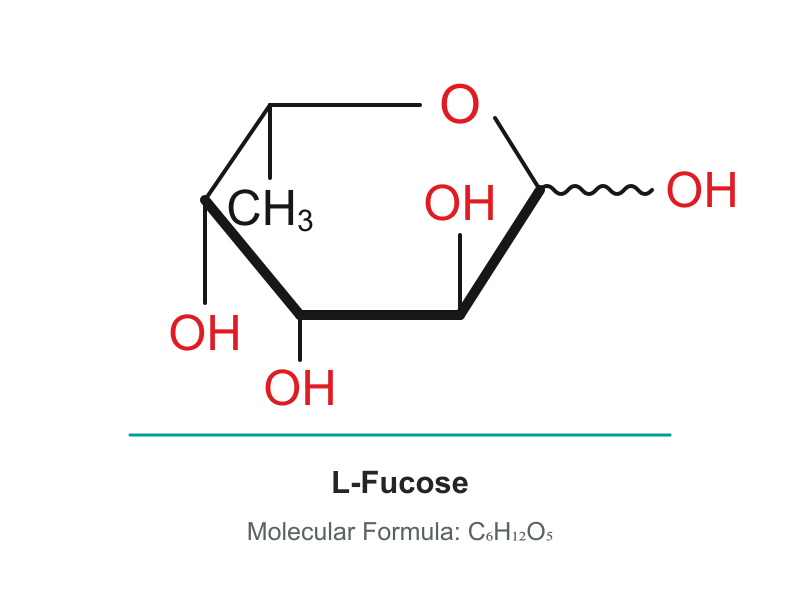
L-Fucose, also known as 6-deoxy-L-galactose, is a deoxyhexose monosaccharide found in various biological structures, including glycoproteins and certain glycans. It is used in glycomics research, biochemical applications, and the development of selected cosmetic formulations.
When evaluating suppliers, buyers should examine several factors together: product identity, purity, manufacturing processes, analytical documentation, supply continuity, and technical communication. A supplier that can provide clear and verifiable information makes it easier to assess whether the material meets the intended application requirements.
Check L-Fucose Identity and Purity Specifications
The first step is confirming that the product matches the required chemical identity and quality specifications.
For L-Fucose CAS 2438-80-4, buyers should verify the product name, CAS number, molecular characteristics, purity specification, and analytical method. These details help distinguish the required substance from other monosaccharides and prevent specification mismatches during sourcing.
Purity is another important consideration. For example, a supplier offering L-Fucose with a stated purity of at least 99% should be able to provide supporting analytical results rather than relying solely on a marketing claim.
High-performance liquid chromatography (HPLC) is one method used to evaluate purity, depending on the validated analytical procedure. When reviewing the results, buyers should consider the test method, reporting basis, and whether the reported value corresponds to the specification agreed upon for the order.
It is also worth checking whether the supplier can explain the limits of its testing methods and provide batch-specific results.
Understand the Production Method and Impurity Control
The manufacturing process can influence impurity profiles, resource requirements, and batch consistency. Buyers comparing an L-Fucose manufacturer should therefore ask how the material is produced and what controls are used to manage impurities.
L-Fucose can be obtained through different production approaches. Depending on the process, relevant considerations may include raw material variability, purification efficiency, residual impurities, and the consistency of the finished product.
Microbial fermentation is one approach used to produce L-Fucose. When a supplier uses fermentation-based production, buyers can ask about process control, downstream purification, and how the manufacturer monitors residual sugars and other impurities.
These questions are especially relevant when sourcing material for sensitive cosmetic formulations or biochemical research, where an impurity profile may matter alongside the headline purity value.
A production method alone does not establish product quality. The finished material still needs appropriate analytical testing and documented quality controls.
Review the COA, TDS, and Other Quality Documents
Documentation is an essential part of supplier evaluation. Before confirming an order, buyers should determine which documents are available and whether they support the intended application.
The most useful documents may include:
- Certificate of Analysis (COA): Batch-specific test results, including purity and other agreed quality parameters.
- Technical Data Sheet (TDS): Product characteristics, specifications, physical properties, and relevant handling information.
- Safety Data Sheet (SDS): Safety, handling, storage, and transport information applicable to the material.
- Quality and certification documents: Evidence of applicable management systems, manufacturing standards, or certifications where relevant.
For L-Fucose CAS 2438-80-4, buyers should compare the product specification with the COA and confirm that the product name, batch identification, test methods, and reported results are consistent.
If a supplier states that it holds ISO or GMP-related certifications, ask which specific certification applies, which entity or facility it covers, and whether it is relevant to the product being purchased. Certification claims should be verified rather than assumed to cover every product or manufacturing activity.
Clear documentation helps procurement and quality teams assess a material before it enters their own qualification process.
Assess Batch Consistency and Suitability for Your Application
A product that meets specifications in one batch may still need further evaluation before it can be used in ongoing manufacturing or research. Buyers should ask how the supplier monitors batch-to-batch consistency and manages deviations.
Useful questions include:
- Are analytical results available for individual batches?
- Which critical quality attributes are monitored?
- How are changes in specifications or production processes communicated?
- Can the supplier provide representative samples for preliminary evaluation?
The required criteria depend on the application.
For cosmetic raw materials, formulation teams may need to assess solubility, compatibility with the intended aqueous system, stability under processing conditions, and performance in the finished formulation. L-Fucose that is readily soluble in water may be suitable for certain water-based formulations, but compatibility should still be tested under actual formulation conditions.
For glycomics and biochemical research, buyers may place greater emphasis on chemical identity, analytical purity, impurity control, and reproducibility between batches. If the material will be used as a reference substance, its suitability for that specific purpose should be confirmed rather than inferred from purity alone.
Supplier specifications provide a starting point, while application-specific testing determines whether the material meets the buyer's requirements.
Confirm Bulk Supply, Packaging, and Delivery Requirements
For commercial buyers, supply capability is just as important as laboratory specifications. A supplier may provide an acceptable sample but still need to demonstrate that it can support the quantity, schedule, and documentation requirements of a larger order.
When comparing bulk L-Fucose suppliers, consider the following points:
- Order quantity: Confirm available pack sizes, minimum order requirements, and the feasibility of repeat orders.
- Supply continuity: Ask how production planning and inventory management support ongoing demand.
- Packaging: Check whether the packaging protects the material during storage and transportation and meets the buyer's handling requirements.
- Storage and shelf life: Request documented storage conditions and shelf-life information for the specific product.
- Export arrangements: Confirm destination coverage, shipping options, lead times, and the documents required for the shipment.
These details are particularly important for buyers coordinating product development with commercial production. Clear communication about lead times, order quantities, and documentation can reduce avoidable delays.
Rather than selecting a supplier solely on the lowest quoted price, compare the complete sourcing arrangement, including product quality, logistics, and the cost of qualifying a new material.
Evaluate Technical Support and Supplier Communication
A reliable supplier should be able to answer technical and commercial questions clearly. This does not necessarily mean offering extensive application development services, but it does mean providing accurate product information and responding consistently to buyer requests.
Before placing an order, buyers can assess whether the supplier can explain its specifications, clarify documentation requirements, support sample requests, and communicate any limitations in product availability or intended use.
For international sourcing, it is also useful to establish a clear process for handling specification changes, quality questions, and repeat orders.
These practical considerations can help buyers distinguish a supplier that simply lists a product from one that can support a more structured procurement process.
Choosing an L-Fucose Supplier: A Practical Checklist
Before finalizing a supplier, review the following points:
| Evaluation factor | What to verify |
|---|---|
| Product identity | L-Fucose name and CAS 2438-80-4 |
| Purity | Stated specification and supporting analytical results |
| Manufacturing | Production method and impurity-control measures |
| Documentation | Available COA, TDS, SDS, and relevant quality records |
| Batch consistency | Batch-specific testing and change-control practices |
| Application suitability | Requirements for cosmetic formulations or research use |
| Supply capability | Order quantities, packaging, lead times, and repeat supply |
| Communication | Responsiveness and clarity of technical information |
Not every buyer will assign the same importance to each factor. A research laboratory may prioritize analytical specifications, while a cosmetic ingredient buyer may also focus on formulation compatibility and supply continuity. The appropriate supplier is the one whose documented capabilities align with the buyer's actual requirements.
Frequently Asked Questions
What purity should I look for when buying L-Fucose?
The appropriate purity depends on the intended application and its quality requirements. A specification of 99% or higher may be a useful starting point for some applications, but buyers should also review the analytical method, impurity profile, and supporting batch documentation.
What documents should an L-Fucose supplier provide?
Commonly requested documents include a COA, TDS, and SDS. Buyers may also request applicable quality certifications and additional technical information depending on their internal qualification procedures and destination-market requirements.
Is fermentation-derived L-Fucose suitable for cosmetic applications?
Fermentation-derived L-Fucose may be suitable for certain cosmetic ingredient applications, depending on its specifications, impurity profile, and compatibility with the intended formulation. Buyers should review the documentation and conduct their own formulation and safety assessments.
How can I assess whether a supplier can support bulk orders?
Ask about available order quantities, production planning, repeat-order lead times, packaging options, and batch-specific quality documentation. If possible, evaluate a sample and confirm the agreed specifications before committing to recurring purchases.
Sourcing High-Purity L-Fucose from WEHEXA Biotechnology
WEHEXA Biotechnology offers L-Fucose (FUC), CAS 2438-80-4, also known as 6-deoxy-L-galactose, with a stated purity of at least 99%, tested by HPLC.
The product is produced using microbial fermentation and targeted biosynthesis technology. Available product information includes its physical properties, purity specification, and application areas covering cosmetic raw materials and biomedical or scientific research.
COA/TDS documentation is available, and bulk-order inquiries are supported. Buyers evaluating the material can contact WEHEXA Biotechnology to request product specifications, discuss sample availability, and confirm order requirements for their intended application.
For industrial and research use. Not for direct consumer sale.